Účinnost antibiotik: co ovlivňuje jejich působení a jak je podpořit
When you take antibiotika, léky určené k zabíjení nebo zastavení růstu bakterií. Also known as protibakteriální léky, they are essential when your body can't fight off dangerous infections on its own. But their účinnost antibiotik depends on much more than just taking the tablet—timing, diet, and even what you drink matter.
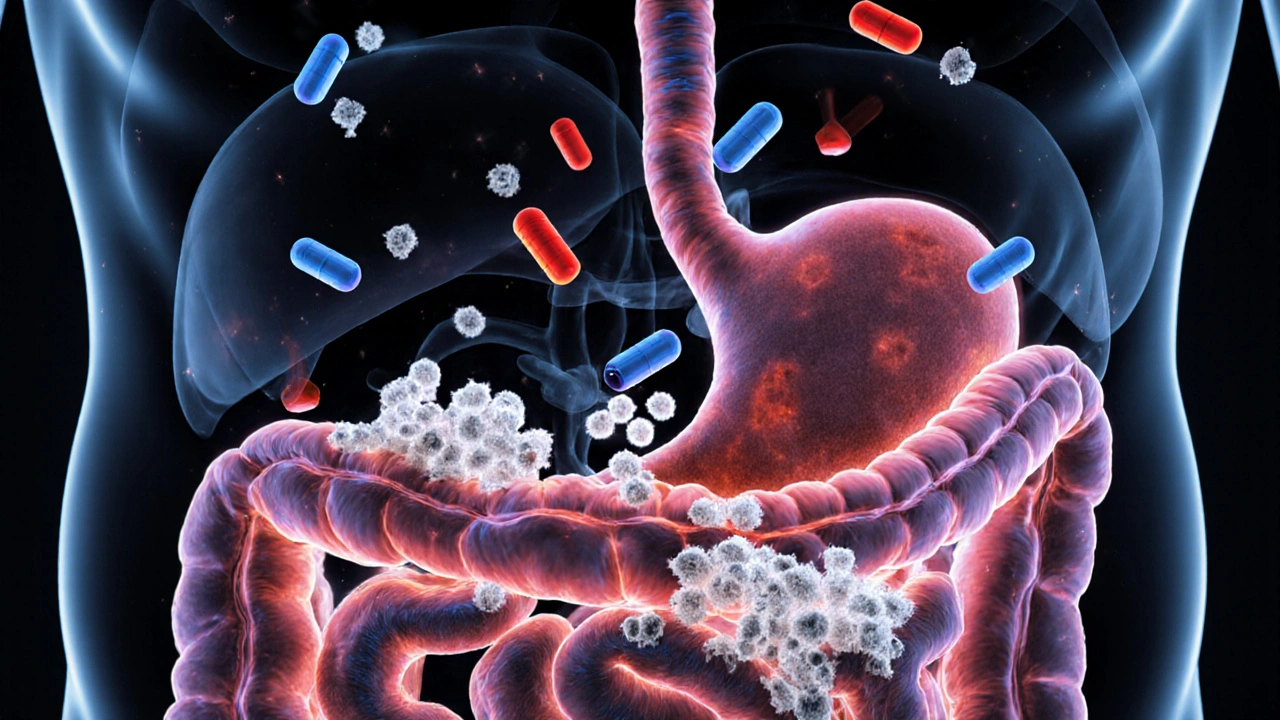
Many people think antibiotics work like magic bullets, but they’re not. If you take them with coffee, juice, or milk, their absorption can drop by up to 50%. The same goes for antacids or iron supplements—they can block antibiotics from doing their job. And if you stop taking them early, even if you feel better, you’re not curing the infection—you’re just training the bacteria to become stronger. That’s how superbugs appear. What most don’t realize is that antibiotics don’t just kill bad bacteria. They also wipe out the good ones in your gut, which leads to diarrhea, bloating, and weakened immunity. That’s where probiotika, živé mikroorganismy, které podporují zdraví trávicího systému come in. Not just any probiotics—specific strains like laktobacily, bakterie, které pomáhají obnovovat rovnováhu střevní mikroflóry—taken at the right time, can reduce side effects by up to 70%.
It’s not just about what you take with antibiotics. It’s about when. Taking probiotics too close to antibiotics can make them useless. Waiting 2–3 hours after the antibiotic dose gives the good bacteria a fighting chance. And it’s not enough to take them during treatment—you need to keep going for weeks after. Your gut doesn’t recover overnight. The same applies to hydration. Drinking enough water helps flush toxins and keeps your kidneys working properly. Alcohol? Avoid it. Sugar? Cut back. Both feed the bad bacteria and slow healing. And if you’re on antibiotics for more than a week, your immune system starts to suffer. That’s when you need to think beyond pills—food matters. Fermented foods like yogurt, kefir, sauerkraut, and kombucha can help rebuild your gut faster than any supplement.
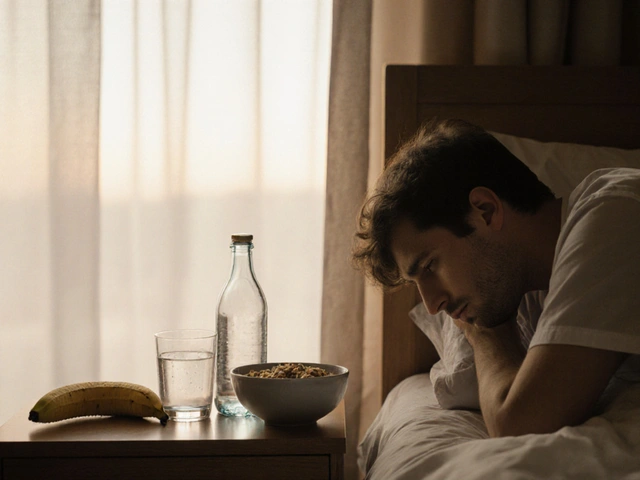
You might wonder why some people get sick again right after finishing antibiotics. It’s not bad luck. It’s because their microbiome never got back on track. That’s why doctors now recommend combining antibiotics with targeted probiotic support—not as an afterthought, but as part of the treatment plan. And if you’ve had multiple rounds of antibiotics, your gut might need more than just probiotics. It might need prebiotics—fiber that feeds the good bacteria. Think bananas, oats, garlic, and onions. These aren’t just healthy foods—they’re repair tools for your internal ecosystem.
What you’ll find below are real, practical guides based on what works. From how to take probiotics with antibiotics without messing up their effect, to what to eat when your gut feels broken, to why some antibiotics work better at night. No fluff. No theory. Just what you need to know to make antibiotics actually help—not hurt.